




Advertisement
Advertisement
In the upcoming weeks, airport rules and regulations are set for a significant overhaul with the introduction of a more straightforward security process.
This change follows nearly 20 years of long lines, electronic devices being jostled, 100ml liquid restrictions, belts being hastily removed, jewelry forgotten in trays, and incessantly beeping scanners.
While this adjustment won't eliminate all the hassles, it is expected to slightly expedite the queue.
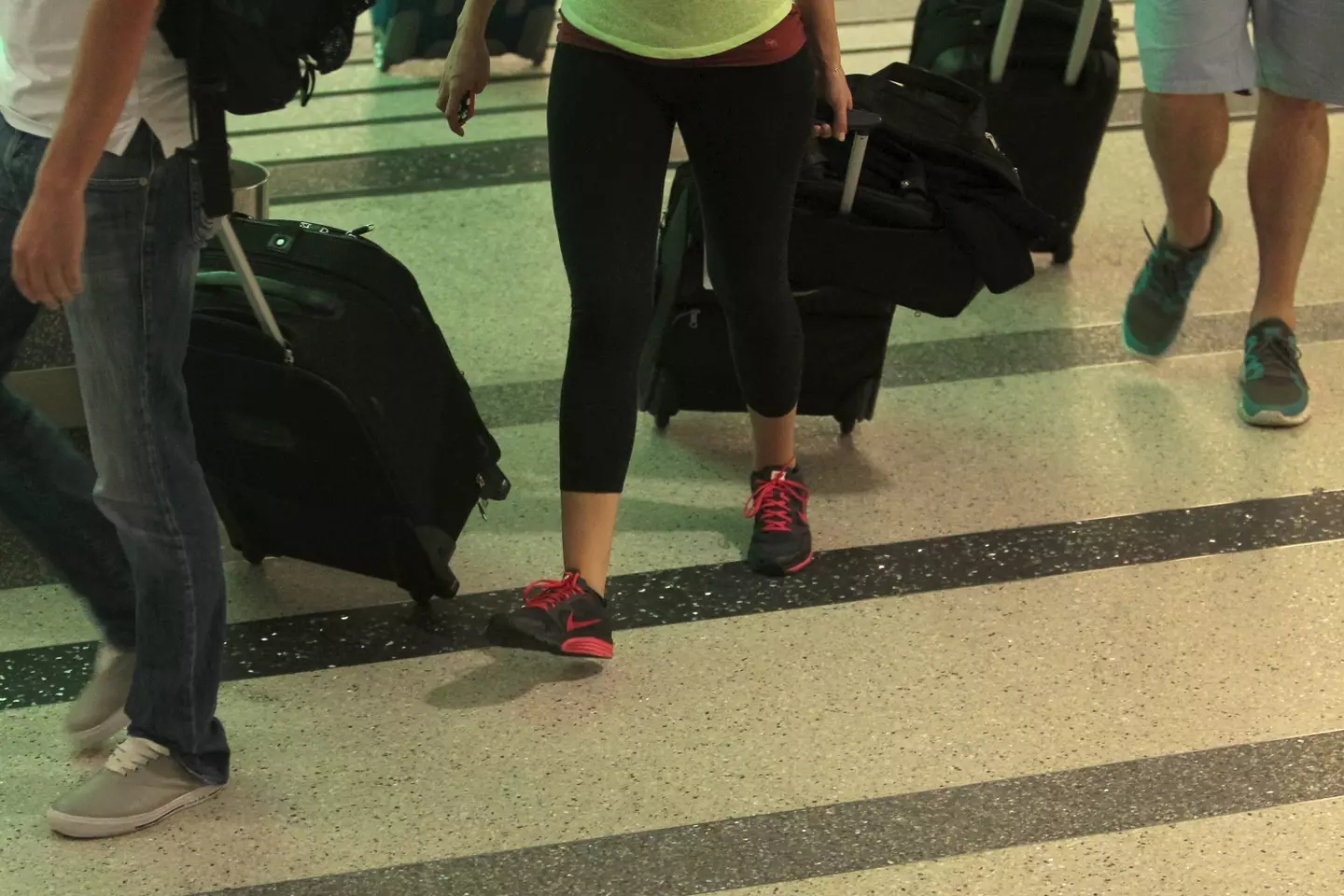
Here's the update - travelers aged between 12 and 75 will no longer be required by staff to remove their footwear when passing through scanners, regardless of their shoe type.
Advert
Previously, holiday-makers sporting heavy-soled shoes like chunky sneakers, thick heels, and boots were instructed to place their shoes in a tray and walk through security scanners barefoot or in socks.
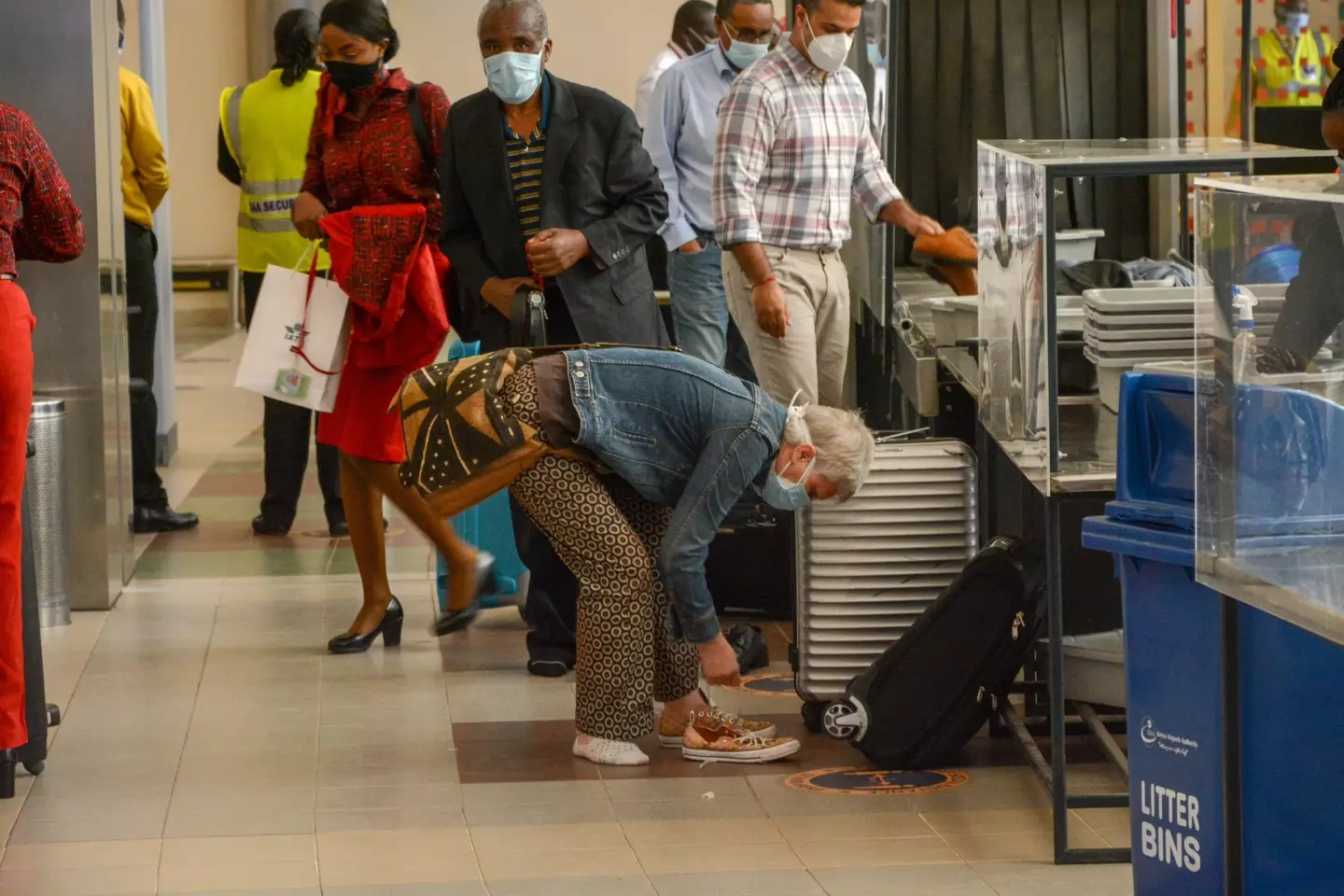
This practice was due to the use of backscatter x-rays at airports, which employ low-dose radiation to detect suspicious metallic and non-metallic items hidden within footwear.
Such measures were introduced in 2006, five years after the 'shoe bomber' Richard Reid attempted to detonate an explosive on a flight from Paris to Miami by concealing it in his shoe.
Advert
The only caveat? This prospective change only applies to airports within the United States.
The proposal originated from the Transportation Security Administration (TSA), aiming to simplify the security process for both airport staff and frequent flyers.
The official announcement was made by Homeland Security Secretary Kristi Noem on Tuesday (July 8), disclosing that a pilot program demonstrated there's no longer a necessity for travelers to remove their shoes.
Advert
"I believe most Americans will be thrilled to see that they can keep their shoes on, making the process much more streamlined," Noem stated, announcing the change at Ronald Reagan Washington National Airport in Arlington, Virginia.
She also noted that some passengers might still be required to remove their shoes if airport staff deem additional screening necessary.
"We are very confident that we can continue to offer hospitality to American travelers and visitors to our country, while maintaining the same security standards for passengers and our homeland," Noem added.

Advertisement
Advertisement
Advertisement


