




Advertisement
Advertisement
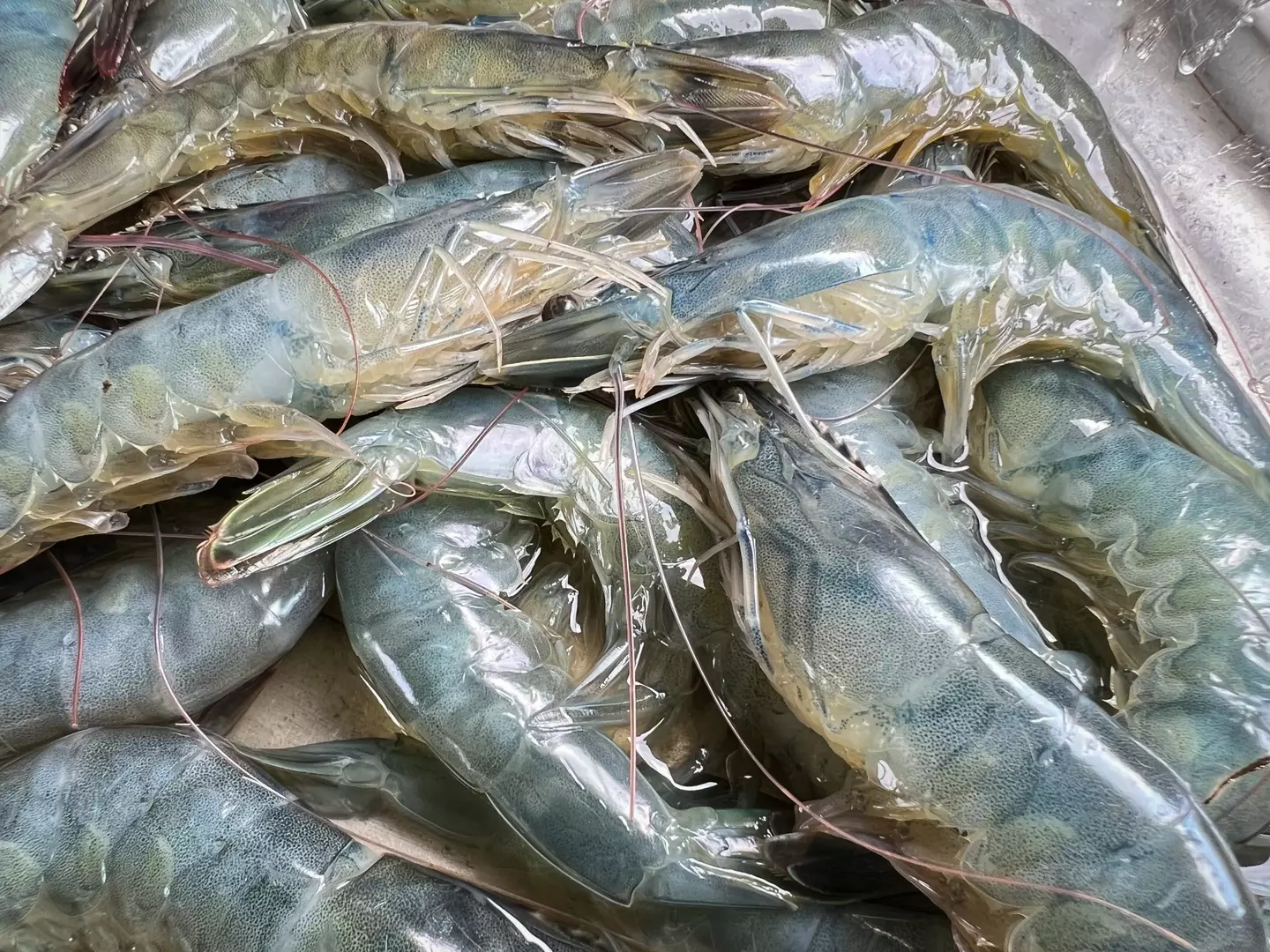
Several major food companies have been implicated in a large-scale frozen shrimp recall in the US, following the discovery by top health authorities that the shrimp might have been tainted with a radioactive isotope of caesium, known to potentially cause cancer.
Southwind Foods, a company based in California, is among the businesses that have announced a recall of a 'limited quantity' of their frozen prawns. This decision came after they found that the prawns may have been exposed to Caesium-137 (Cs-137), described by the Environmental Protection Agency as a 'soft, flexible, silvery-white metal that becomes liquid near room temperature'.
According to the US Food and Drug Administration, the contaminated crustaceans were distributed to various US states between July 17 and August 8.
The states where the affected food was sold include Alabama, Arizona, California, Massachusetts, Minnesota, Pennsylvania, Utah, Virginia, and Washington.
Advert
The agency has not disclosed which specific retailers sold the frozen shrimp or how they came into contact with the radioactive substance, but they have identified other brands involved in the recall.
These brands include: Sand Bar, Best Yet, Arctic Shores Seafood Company, Great American Seafood Imports Co., and First Street.
If you have purchased shrimp from these brands during the contamination window, it is recommended to dispose of them immediately.
Contaminated shrimp recalls have already started in the US
This new wave of recalls follows an FDA warning about frozen raw prawns imported from PT. Bahari Makmur Sejati, an Indonesian company, which may have also been exposed to Cs-137 during transport.
Advert
The agency stated that the shipment, intended for Los Angeles, Houston, Savannah, and Miami, was prevented from entering US markets, despite the levels detected not being considered high enough to cause immediate harm.
The FDA estimated that the radioactive Cs-137 level in the detained shipment was approximately 68 Bq/kg, according to Interesting Engineering.
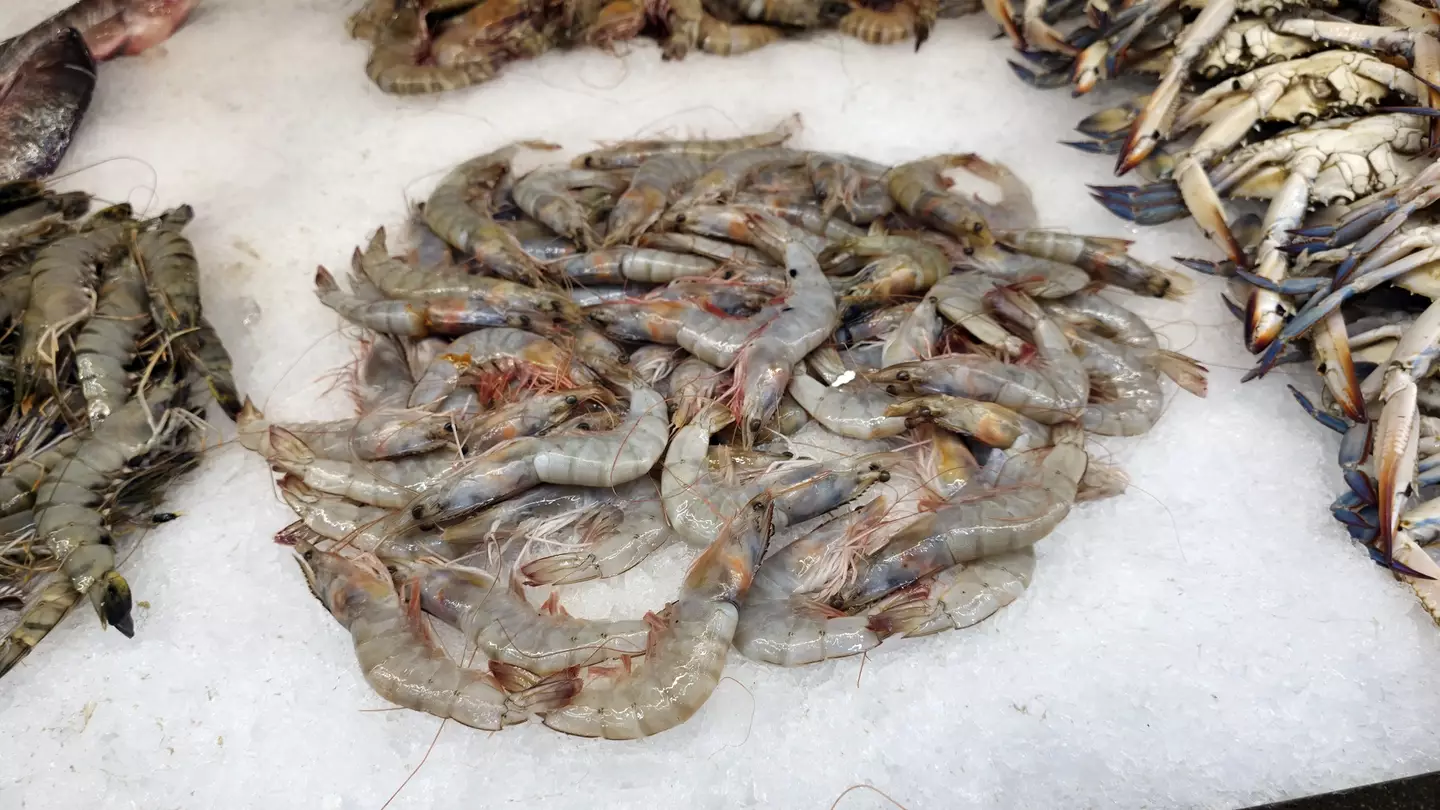
However, officials warn that repeated low-dose exposure to Cs-137 can lead to 'an increased risk of cancer, due to damage to DNA within the body’s living cells.'
Advert
No illnesses have been linked to these crustaceans so far, but consumers are urged to stay alert.
Discussing the ongoing risk, Suresh Pillai, a microbiologist focused on food safety research and director of the National Centre for Electron Beam Research at Texas A&M University, told Slate: “This is quite unusual, based on my initial assessment of the situation.
“This situation is not typical,” he added, explaining that the term ‘shrimp tainted with a radioactive material’ is more precise than simply ‘radioactive shrimp’.
What is Cs-137 used for?

Advert
The Centres for Disease Control and Prevention (CDC) explained that Cs-137 is extensively used in: medical radiation therapy devices for cancer treatment, medical sterilisation, and industrial gauges for detecting liquid flow through pipes.
The organisation noted that people are exposed to it regularly due to weapons testing conducted in the 1950s and 1960s.
Exposure to a significant amount through ingestion or inhalation can result in burns, acute radiation sickness, and even death.

Advertisement
Advertisement
Advertisement


