




Advertisement
Advertisement
Experts and local authorities have issued a caution to individuals who might come across a 'zombie rabbit' during their travels.
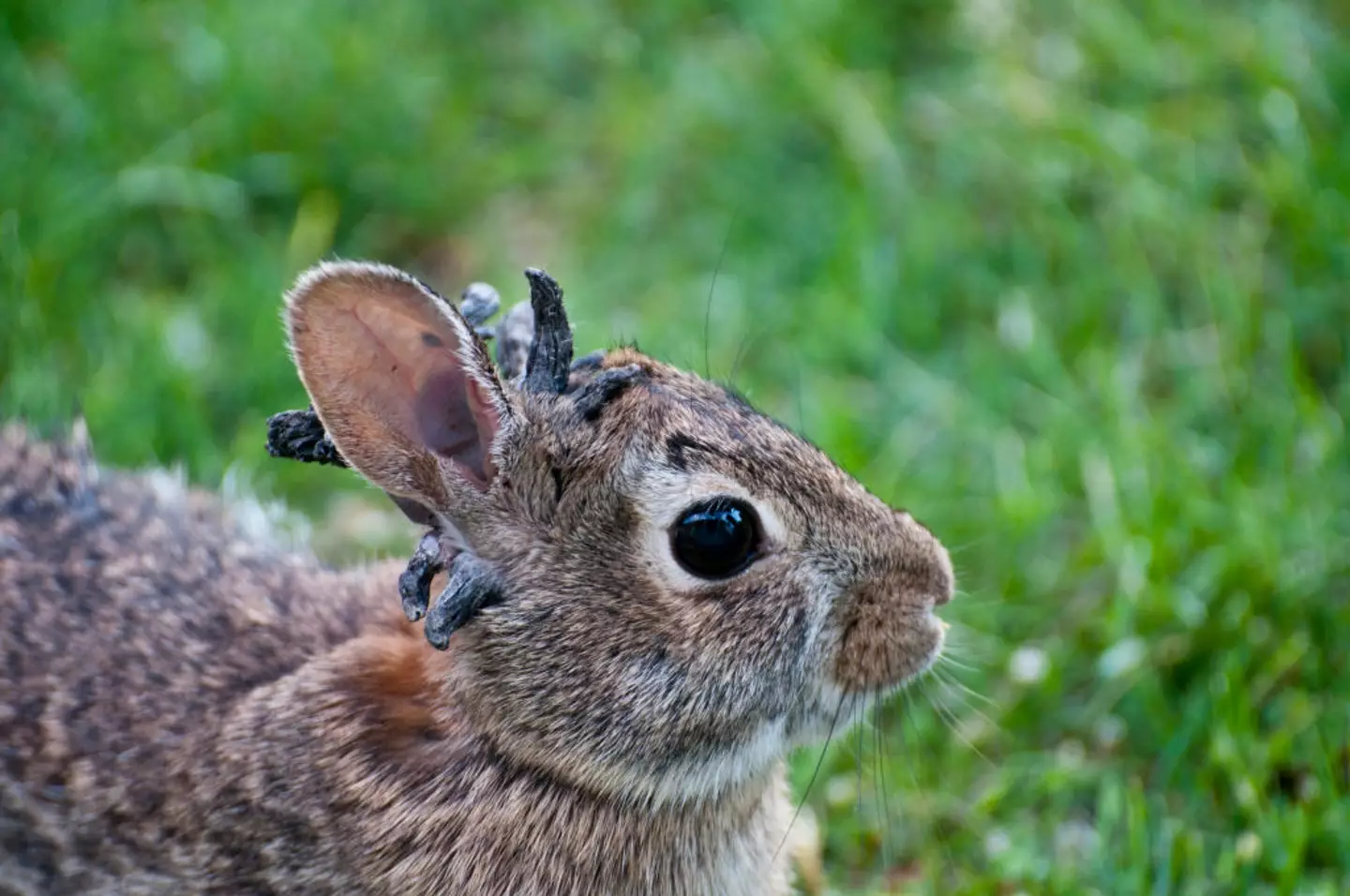
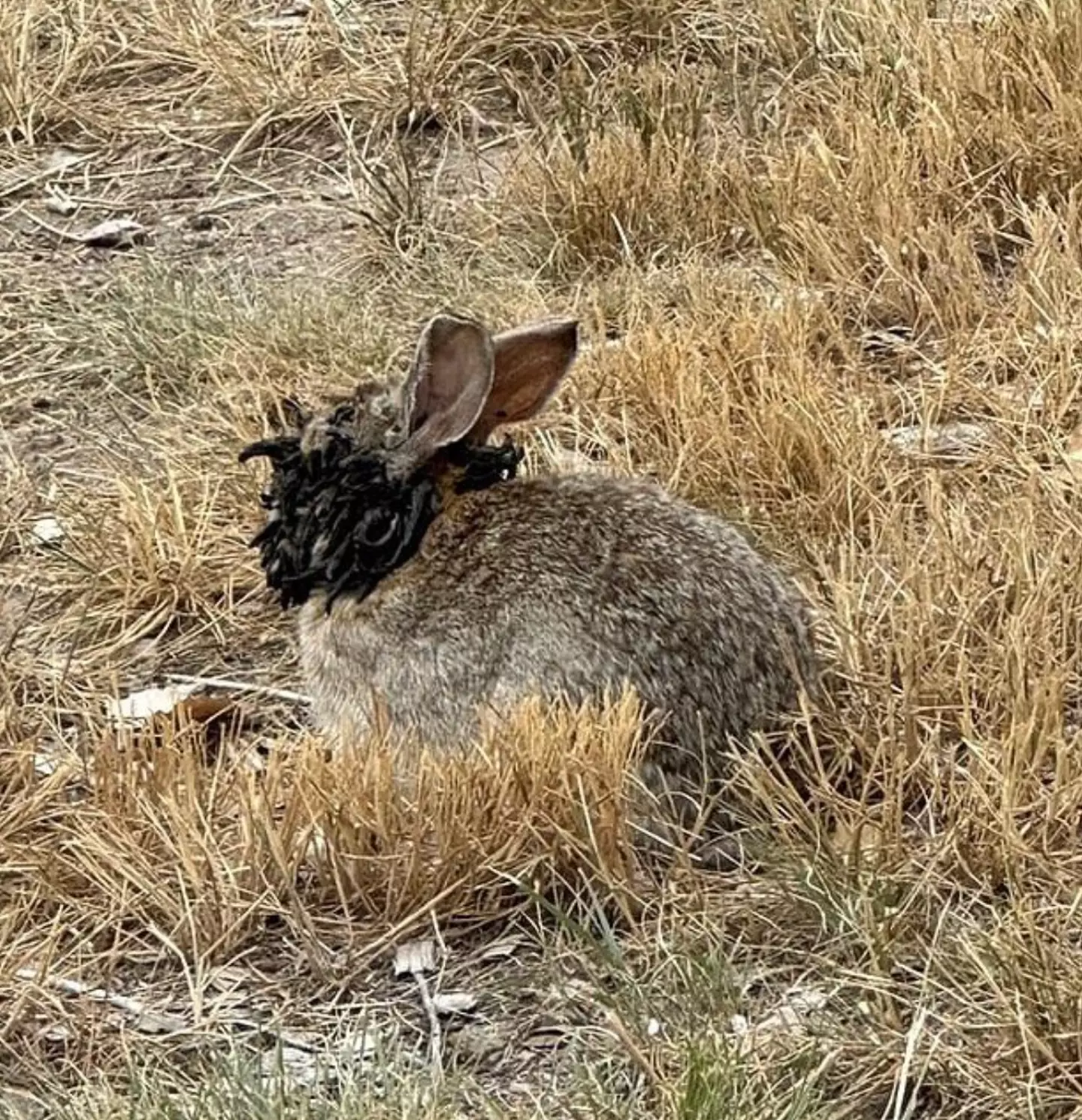
People have expressed concern after observing the unfortunate bunnies in Fort Collins, Colorado, exhibiting unusual, twisted black growths protruding from their face and neck.
Alarmed residents have been sharing images of these wild rabbits, referring to them as 'Frankenstein' or 'zombie' bunnies.
One user wrote on X (formerly Twitter): "The zombie apocalypse has arrived!" while another shared a photo captioned: "Rabbits in Colorado seen with tentacle-like growths on their heads."
Advert
Others have called them 'Cthulhu bunnies', inspired by the fictional horror character by H.P. Lovecraft, which features tentacles on its face. Another unnamed local described them as having a 'scabby-like growth covering their face.'
Local resident Susan Mansfield described the growths to WLBT3 as resembling 'black quills or black toothpicks protruding all around its mouth.'
Officials advise against approaching 'Frankenstein' rabbits
Advert
While it may be unsettling to observe, local officials have advised the public not to approach these afflicted bunnies too closely.
According to Pet MD, these growths are caused by a virus known as the cottontail cutaneous papilloma virus, also known as the shope papilloma virus, which is spread by infected mosquitos or ticks.
Although it poses no threat to humans, officials from Colorado Parks and Wildlife (CPW) are urging people to keep their distance from the infected rabbits and to avoid physical contact.
CPW spokesperson Kara Van Hoose told KDVR: "There’s no immediate concern necessary for pet owners.
Advert
"We would just recommend keeping wildlife principles in mind when you have them out: Keep them on a leash, keep them away from wild animals just in case, but this is not something we typically see transferred from rabbits to dogs.”
They also pointed out that rabbits often recover from the virus on their own without human intervention.
Veterinarian's warning about pet rabbits contracting shope papilloma virus
Advert
One expert, Dr. Sean McCormack, explained to UNILAD how to safeguard pets, although it can be challenging to protect pet rabbits, especially those residing outdoors.
He noted: "Even indoor rabbits can also become infected by flying insects entering the home, so using mosquito repellents or traps and installing door fly screens are advisable to prevent exposure to biting insects."
If you suspect a pet rabbit is infected, he suggests 'temporary isolation' is best 'until a veterinary visit confirms whether cottontail rabbit papillomavirus (CRPV) is suspected'.
There is currently no vaccine for the virus, and surgery is the only method to remove the growths.
Advert
He added: "It’s important to mention that CRPV has not been detected in the UK or Europe; it is a disease affecting North American wild rabbit species like Cottontails and Brush rabbits, which can also infect domestic rabbits."

Advertisement
Advertisement
Advertisement


