




Advertisement
Advertisement
A notice has been given that it's illegal to drive with certain drugs in your system, even if they are legally prescribed.
When you're behind the wheel, it's crucial to be focused and alert—anything that detracts from this can be hazardous.
While most people know which drugs are permissible to take on an airplane, it appears the regulations concerning driving aren't as widely understood.
You might face fines or imprisonment if you travel with medication that is illegal in another country, and similar consequences apply to those who drive without adhering to drug-related laws.
Advert
In summary, it's illegal in England, Scotland, and Wales to drive with 'legal drugs in your body if it impairs your driving'.
This advice is from the official UK government website, so it's crucial to pay attention.
Here's all you need to know about what's allowed and what's not.

Advert
If you've been prescribed any of the following drugs, you should consult your doctor about whether driving is safe:
- amphetamine, such as dexamphetamine or selegiline
- clonazepam
- diazepam
- flunitrazepam
- lorazepam
- methadone
- morphine or opiate and opioid-based drugs, like codeine, tramadol, or fentanyl
- oxazepam
- temazepam
However, don't worry—this isn't a blanket ban. You can still take these and drive if you adhere to the advice on usage provided by a healthcare professional.
Naturally, you must ensure they aren't impairing your ability to drive—even if you're above the specified limits, it's typically acceptable as long as it doesn't affect your driving capability.
Advert
Conversely, if you haven't been prescribed one of these drugs and are caught driving with them in your system, you could face severe consequences and prosecution.
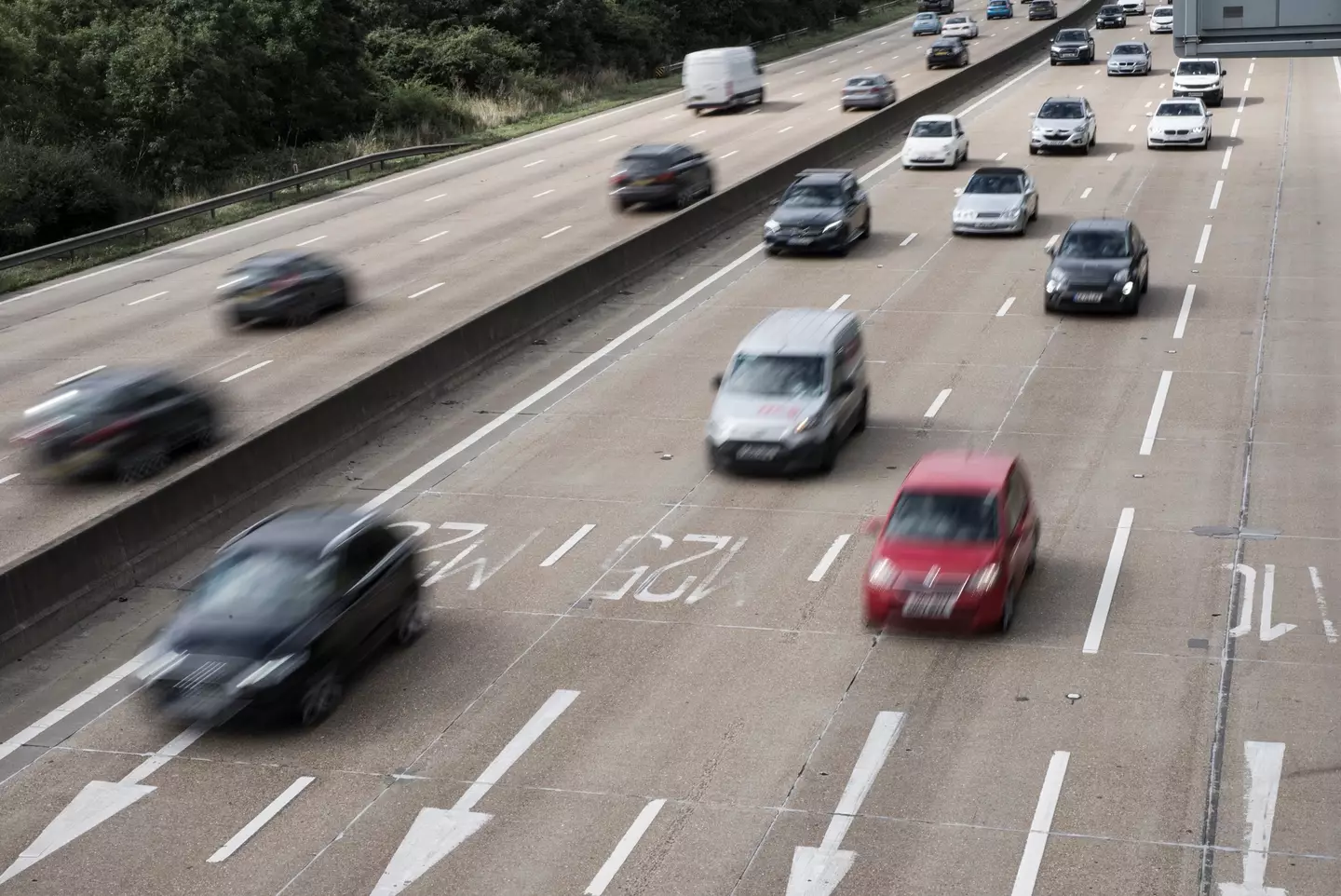
The law doesn't cover Northern Ireland, but you could still be arrested if you're unfit to drive, as the government website notes.
What happens if you're caught drug driving in the UK?
Penalties for drug driving range from a minimum one-year driving ban or an unlimited fine to up to six months in prison and a criminal record.
Advert
Additionally, your driving license will reflect a conviction for drug driving for 11 years.
The maximum penalty for causing death by careless driving under the influence of drugs is life imprisonment.
It's not just legal issues you'll encounter—the repercussions can affect your personal life too.
The government advises that your car insurance costs will rise significantly if you're caught driving on drugs.
Advert
If driving is part of your job, your employer will see the conviction on your license, and you may also face difficulties traveling to countries like the US.

Overall, as you can see, it's really not worth the risk. It's essential to verify facts and consult your doctor if you're taking new medication.
Greg Wilson, founder of car insurance specialists at Quotezone, has specifically warned against driving on three particular prescription medications.
He explained: “If you are on strong medications, it is likely that you will be recommended to avoid driving.”
The expert told Birmingham Live: “Opioid painkillers, tranquilizers, and certain antidepressants are examples of medicines that can affect driving ability—as well as those that cause drowsiness or state 'do not operate heavy machinery.'”
Road safety charity, Brake, added that these warnings can be 'vague or in small print only' and ‘they may indicate there is a risk of impairment but not relate it to driving’.
This is why it's always important to seek advice if you're unsure, so we can keep the roads safe for everyone.

Advertisement
Advertisement
Advertisement


